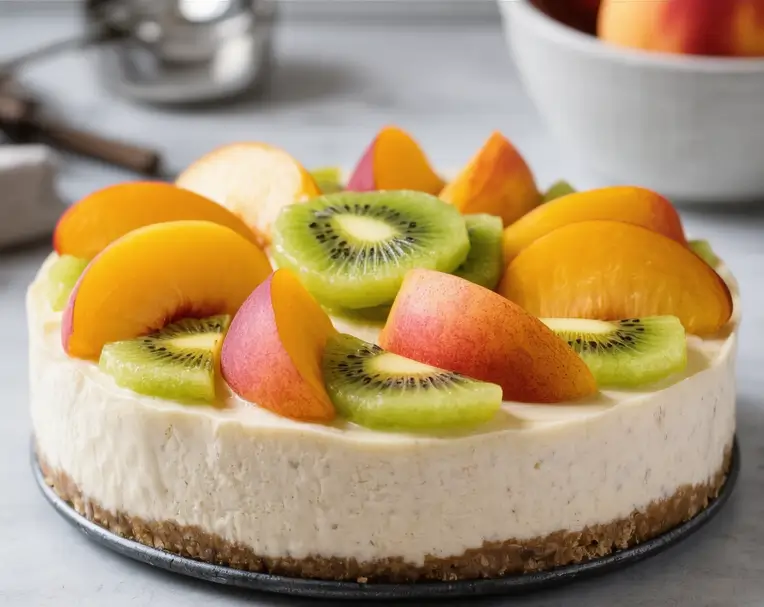

Baking at home adds warmth to any kitchen, especially in cooler months. This dessert has a rich flavor and dense texture that everyone loves. Learning this almond pound cake recipe lets you make a classic treat for any event.
The smell of toasted nuts in your home is unbeatable during the holidays. It makes your space cozy, inviting everyone to enjoy a warm slice. To make it, you whisk dry ingredients and cream sugar for a soft crumb.
This guide helps your oven make a golden crust and a moist center. You need basic items like good butter and fresh eggs. Also, a stand mixer and a standard baking pan are key for success.
Using nuts adds healthy fats and vitamin E to your family’s diet. These essential nutrients make this sweet treat a healthier choice. Knowing how to make such a treat is a valuable skill for any cook.
The Appeal of Classic Almond Pound Cake
The classic almond pound cake is loved for its simple charm and deep flavors. It’s a favorite that never goes out of style.
This traditional treat has won hearts with its rich flavor and tender texture. The mix of almond flour and sweet cake makes it a treat to savor.
Its lasting dessert appeal comes from the nostalgia it brings. For many, it reminds them of family times and celebrations.
The classic almond pound cake also lets you get creative. You can add glazes, toppings, or mix-ins to give it a new twist. Yet, it still stays true to its roots.
In short, the cake’s charm comes from its comforting feel and the joy it adds to any dessert spread.
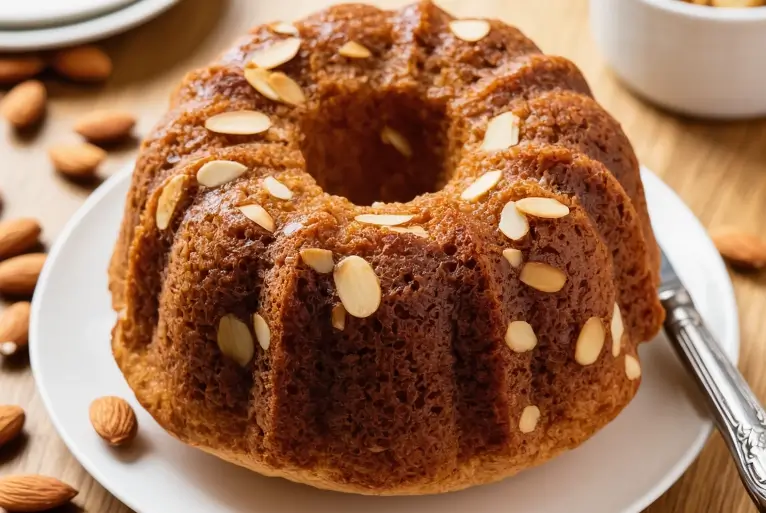
Essential Ingredients for a Perfect Bake
To get a perfect bake, knowing each ingredient’s role is key. The quality of these ingredients affects the cake’s texture, taste, and look.
For a classic almond pound cake, you need good almond flour, almond extract, butter, eggs, sugar, and flour. Each one is important for a moist, tasty, and well-structured cake.
Selecting High-Quality Almond Flour and Extract
Almond flour is crucial for the cake’s texture and taste. Choose finely ground, blanched almond flour for a tender crumb. The almond flour benefits include adding protein, healthy fats, and a nutty flavor.
Almond extract is also key for the almond flavor. Pick a high-quality extract made from real almonds for the best taste. Use it carefully to avoid overpowering the other flavors.
The Role of Butter and Eggs in Texture
Butter and eggs are vital pound cake ingredients for texture. Butter adds moisture, tenderness, and flavor. Eggs provide structure, leavening, and richness.
Using room temperature butter and eggs is important for the right consistency. This makes the cake moist and light.
Understanding the roles of these baking essentials and choosing high-quality options will improve your almond pound cake. By focusing on each ingredient’s quality, you can make an amazing dessert.
Necessary Kitchen Materials and Equipment
Baking an almond pound cake needs more than just ingredients. You also need the right tools. The right kitchen materials and equipment make baking easier and ensure your cake is perfect.
The quality and type of equipment matter a lot. For example, the right loaf pan can help your cake bake evenly.
Choosing the Right Loaf Pan
Choosing the right loaf pan is key for baking an almond pound cake. A high-quality, non-stick loaf pan is best. It prevents the cake from sticking and makes it easy to remove after baking. Look for a durable pan with a heavy bottom for even heat.
When picking a loaf pan, think about size and material. A 9×5-inch pan is common for pound cakes. Stainless steel or silicone pans are good because they’re durable and non-stick.
Mixing Tools and Precision Measuring
You also need the right mixing tools. A stand mixer or hand mixer is great for creaming butter and sugar. A whisk is essential for mixing eggs and other wet ingredients.
Being precise is crucial in baking. That’s why digital measuring scales and measuring cups are must-haves. They help you measure ingredients accurately, which is important for baking’s chemical reactions.
- Digital measuring scale
- Measuring cups
- Mixing bowls
- Whisk
- Rubber spatula
With these essential tools and materials, you’ll be ready to make the almond pound cake recipe with confidence.
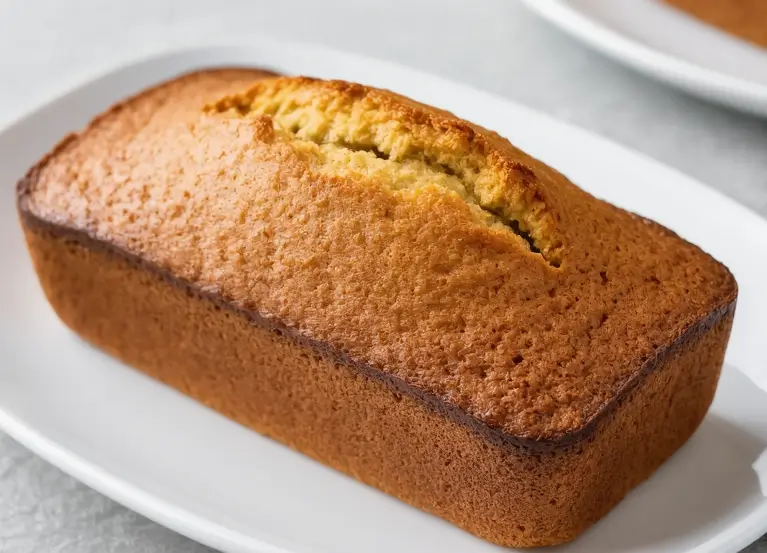
Health Benefits of Almond-Based Desserts
Adding almonds to desserts like pound cake makes them taste better and healthier. Almonds are packed with nutrients that offer many health benefits. This makes almond-based desserts a better choice than regular sweets.
Nutritional Profile of Almonds
Almonds are full of healthy fats, protein, and fiber. They are also rich in vitamin E, magnesium, and potassium. The health benefits of almonds include lowering heart disease risk, helping with weight control, and improving digestion.
Almonds are perfect for desserts because they add flavor and nutrients. They make baked goods like almond pound cake healthier.
Why Almond Flour is a Better Alternative
Almond flour benefits include being gluten-free. This makes it great for those who can’t eat gluten. It also has fewer carbs than regular flour, which is good for those watching their carb intake.
Using almond flour in desserts like pound cake boosts their nutrition. It increases protein and healthy fats. This makes almond-based desserts tasty and nutritious.
In conclusion, almond-based desserts are a healthier option. They offer the nutritional benefits of almonds and almond flour. Knowing the dessert nutrition of almond-based baking helps make better choices for healthier treats.
Preparing Your Workspace and Ingredients
To make your baking smooth, get your workspace ready and have the right ingredients at the right temperature. This is key for a perfect almond pound cake.
Start with a clean and organized workspace. Make sure all your baking tools and equipment are easy to find. This makes your baking easier and faster.
Room Temperature Requirements
It’s important to have ingredients at room temperature. This helps the butter and eggs mix well, making the cake’s texture even.
- Even Mixing: Room temperature ingredients mix better, which is important for the cake’s texture.
- Better Aeration: This also means better aeration during mixing, making the cake lighter.
Proper Oven Calibration
Calibrating your oven correctly is also crucial. An oven that’s not calibrated right can make cakes undercooked or overcooked.
To check if your oven is at the right temperature, use an oven thermometer. This simple step can greatly improve your baking results.
With your workspace ready and ingredients at room temperature, you’re all set for a great baking experience. Just remember to:
- Keep your workspace clean and organized.
- Make sure your ingredients are at room temperature.
- Check that your oven is calibrated correctly.
Step One: Creaming the Butter and Sugar
Creaming butter and sugar is key for a moist and tasty almond pound cake. This step adds air, which is crucial for the cake’s texture and structure.
Make sure your butter is at room temperature. Cold butter won’t mix well with sugar, making the cake dense. The best temperature for butter is between 72°F and 76°F (22°C to 24°C), so it’s soft and easy to work with.
Achieving the Ideal Aeration
Aeration is vital in creaming. It means beating the butter and sugar until they’re light and fluffy. This can take a few minutes, depending on your mixer’s speed and the amount of ingredients. Proper aeration adds air pockets to the batter, which expand when baked, making the cake light.
To get the right aeration, start by beating the butter until it’s creamy. Then, add the sugar slowly while continuing to beat. Keep going until the mix is pale and has doubled in size. This might take 3 to 5 minutes with a mixer on medium to high speed.
Signs of Properly Creamed Ingredients
Look for a few signs to know if your butter and sugar are creamed right. The mix should be lighter in color and fluffy. It should also have increased in volume. If using an electric mixer, stop it to scrape down the bowl and mix everything well.
Another way to check is by the sound and feel of the mix. When creamed well, butter and sugar should be smooth and even. They shouldn’t feel grainy when you rub them between your fingers. Getting this right is essential for a great almond pound cake.
By following these tips and focusing on the creaming process, you’ll make a delicious almond pound cake. It’s sure to impress anyone who tries it.
Step Two: Incorporating Eggs and Almond Flavoring
Adding eggs and almond flavoring is key to making the cake perfect. It builds on the creamed butter and sugar. This step makes the cake’s texture and taste even better.
Adding Eggs Gradually for Emulsification
Adding eggs slowly is important for a smooth batter. This slow process helps mix the eggs with butter and sugar evenly. This mixing, called emulsification, is vital for the cake’s texture.
- Add eggs one at a time, allowing each egg to fully incorporate before adding the next.
- Beat the mixture well after each addition to maintain a smooth consistency.
- Scrape down the sides of the bowl as needed to prevent any ingredients from being left out of the mixture.
Balancing Almond Extract Intensity
The right amount of almond flavoring is crucial. Too little, and it’s not noticeable. Too much, and it’s overpowering.
- Start with a small amount of almond extract, such as one teaspoon, and adjust to taste.
- Mix the almond extract into the batter thoroughly to ensure an even distribution of flavor.
- Be cautious not to overdo it, as almond extract can be quite potent and overpowering if used excessively.
With careful egg addition and balanced almond flavoring, you’ll make a moist and flavorful almond pound cake. It’s sure to impress everyone.
Step Three: Folding in Dry Ingredients
Folding in dry ingredients is a key step. It’s where you mix the dry stuff, like almond flour and sugar, with the wet ingredients. This is after you’ve prepared the wet ingredients in earlier steps.
Preventing Overmixing the Batter
Overmixing can make your cake dense. To avoid this, fold the dry ingredients into the wet ones gently. Use a rubber spatula and mix until just combined. It’s important to be gentle and stop mixing early.
- Use a rubber spatula to gently cut through the center of the batter.
- Gently lift and turn the batter over, working your way around the bowl.
- Stop mixing as soon as the dry ingredients are incorporated.
Ensuring a Uniform Consistency
A uniform consistency is key for an evenly baked cake. Make sure your dry ingredients are sifted well before adding them. Also, be patient and gentle while folding.
Tips for a Uniform Batter:
- Sift dry ingredients before use.
- Fold gently and patiently.
- Stop mixing once the ingredients are just combined.
By following these steps and tips, you’ll get a smooth, consistent batter. This will result in a deliciously moist almond pound cake.
Step Four: Baking and Monitoring Progress
Now that your batter is ready, it’s time to bake your almond pound cake. This step is key to getting the right texture and taste.
Understanding how to bake is important. You need to think about the oven rack position and how to check if the cake is done.
Oven Rack Positioning
Choosing the right oven rack position is crucial for even baking. Place your cake in the oven’s center or on the middle rack. This ensures the heat spreads evenly, making the cake cook consistently.
- Preheat your oven to the right temperature before baking.
- Put the oven rack in the middle for even heat.
- Don’t overcrowd the oven to keep air flowing well.
Testing for Doneness
Checking if your cake is done is a must. A skewer is a great tool for this.
- Stick a skewer into the cake’s center, skipping any thick spots or fruit.
- If the skewer is clean or has a few moist crumbs, it’s ready.
- If it’s covered in batter, bake a bit longer and check again.
By watching your cake closely and using the right baking methods, you’ll get a delicious almond pound cake. It will look great too.
Key Baking Tips:
- Watch your cake as it bakes, as oven temperatures can differ.
- Don’t open the oven door too often, as it can make the cake sink or bake unevenly.
- Let the cake cool in the pan for a few minutes before moving it to a wire rack to cool completely.
How to Make Almond Pound Cake Variations
Discover the art of creating unique almond pound cake variations. These will tantalize your taste buds. The versatility of almond pound cake allows for a wide range of creative interpretations.
By incorporating different flavors and ingredients, you can transform this classic dessert into something entirely new and exciting. Let’s explore some ways to make your almond pound cake stand out.
Adding Glazes and Toppings
One of the simplest ways to give your almond pound cake a new twist is by adding a glaze or topping. A lemon glaze made with fresh lemon juice and powdered sugar can add a bright and citrusy flavor.
- A simple powdered sugar glaze can add a sweet and elegant finish.
- Toasted almonds or sliced fresh fruits can provide a delightful textural contrast.
- A drizzle of chocolate ganache can add a rich and decadent touch.
Incorporating Fruits or Spices
Incorporating fruits or spices into your almond pound cake batter can significantly enhance its flavor profile. Consider adding:
- Diced apples or berries for a fruity twist.
- A hint of cinnamon or nutmeg for a warm and spicy flavor.
- Lemon or orange zest for an extra burst of citrus.
These variations not only add flavor but also create a unique and personalized dessert experience. Feel free to experiment with different combinations to find your perfect match.
Conclusion
Baking an almond pound cake is a rewarding experience. It combines the richness of butter, the delicacy of almond flour, and the simplicity of a classic recipe. By following the steps in this article, you’ll make a delicious dessert that will impress everyone.
The almond pound cake recipe summary shows the importance of using high-quality ingredients. It also highlights the need for precise measurements and gentle mixing techniques. As you get better at baking, try new things like adding glazes or fruits and spices.
With this baking conclusion, you’re ready to improve your baking skills. Whether you’re experienced or just starting, the joy of baking is a great reward. So, go ahead, start baking, and enjoy what you make!
FAQ
Why is almond flour considered a healthier alternative to traditional wheat flour?
Almond flour is better than all-purpose flour because it’s gluten-free and packed with protein and fiber. It also has good fats and Vitamin E. This makes it great for adding nutrients to desserts.
What brand of almond extract provides the most authentic flavor for this pound cake?
Nielsen-Massey Pure Almond Extract is top choice for bakers. It gives a strong, clean almond scent that works well with the cake’s nutty flavor.
Why is it essential to use room temperature ingredients like butter and eggs?
Room temperature ingredients mix better. This means a smooth batter that traps air well. This leads to a tender, even crumb in the almond pound cake.
Which kitchen materials are best for baking a pound cake evenly?
Use a heavy-duty loaf pan for even heat. Choose a light-colored metal pan to avoid over-browning. A digital kitchen scale helps measure almond flour accurately.
How can I tell if my butter and sugar are properly creamed?
The mixture should turn pale and fluffy. This takes about 3 to 5 minutes with a KitchenAid stand mixer on medium speed.
How do I prevent the pound cake from becoming too dense or tough?
Avoid overmixing after adding dry ingredients. Fold gently until just combined. This keeps the cake moist and tender.
What is the best way to test the cake for doneness?
Start checking for doneness 5 to 10 minutes before the recipe says. Use a metal skewer or wooden toothpick; it should come out clean or with a few moist crumbs.
Can I add toppings or variations to the classic almond pound cake recipe?
Yes, you can. Try a lemon glaze, sliced almonds, or fresh raspberries. For a twist, add warm spices like cinnamon or cardamom.