

Fresh flavors make a great dessert. Baking with citrus is a bright choice over heavy chocolate. Many love a fruit that mixes mandarin sweetness with tartness.
This fruit adds a vibrant scent to your home. Its thin skin means more juice and less bitter pith. This makes them a top pick for seasonal treats.
A classic citrus loaf has a dense, velvety crumb. It’s simple to prepare and very tasty. The rich butter balances the acidic zest perfectly.
This snack is perfect for afternoon tea or a quick morning boost. We’ll list the necessary materials and pantry staples below.
Follow this Meyer lemon pound cake recipe for success in your next kitchen adventure. Quality ingredients are key for a professional finish. Make sure your butter is at room temperature for the best results.
Gather your bowls and whisks. We’re about to explore the steps to make this delicious treat.
What Makes Meyer Lemons Special for Pound Cake
Meyer lemons are key to making the perfect Meyer lemon pound cake. They are not just regular lemons but have a unique flavor and aroma. This makes the cake even better.
Meyer lemons are a mix of lemons and oranges. This mix gives them a sweet and tangy taste. This is why they are great for baking.
The Unique Flavor Profile of Meyer Lemons
The taste of Meyer lemons is more complex than regular lemons. They are sweeter and less acidic. They also have hints of orange, which bakers love.
- Sweeter than regular lemons
- Less acidic, providing a smoother flavor
- Hints of orange, adding depth to the flavor

Differences Between Meyer Lemons and Regular Lemons
Knowing the differences between Meyer and regular lemons helps us see why Meyer lemons are special. The main differences are in their origin, taste, and how they are used in recipes.
Meyer lemons are a mix of lemons and oranges. Regular lemons are pure lemons. This mix makes Meyer lemons taste and smell different.
- Meyer lemons are sweeter and less acidic.
- Regular lemons have a stronger, more acidic flavor.
- Meyer lemons are often used in baking and desserts.
When and Where to Find Meyer Lemons
Meyer lemons are available from December to May. The best time to find them is from January to March. You can find them in most supermarkets and specialty stores during this time.
If Meyer lemons are hard to find, you can grow your own tree. Or, you can buy them online.
Ingredients and Materials Needed
A perfect Meyer lemon pound cake starts with quality ingredients and the right tools. Choosing the best components and equipment is key to a moist and flavorful cake.
Essential Ingredients for the Cake
To make a delicious Meyer lemon pound cake, mix dry and wet ingredients with Meyer lemons’ unique flavor.
Dry Ingredients
- All-purpose flour: Provides structure to the cake.
- Baking powder: Acts as a leavening agent.
- Salt: Enhances flavor and balances sweetness.
Wet Ingredients
- Unsalted butter: Adds richness and moisture.
- Granulated sugar: Contributes to the cake’s sweetness and texture.
- Eggs: Provides moisture, richness, and structure.
- Buttermilk: Adds moisture and tenderness.
Meyer Lemon Components
- Meyer lemon zest: Adds a burst of citrus flavor.
- Meyer lemon juice: Provides a tangy, citrusy taste.
Equipment and Bakeware Required
Choosing the right equipment is as crucial as selecting the right ingredients.
Mixing Tools
- Stand mixer or hand mixer: For creaming butter and sugar.
- Whisk: For mixing dry ingredients.
Baking Pan Options
- 9×5-inch loaf pan: Ideal for a traditional pound cake shape.
- Tube pan or Bundt pan: For a different presentation.
Measuring and Preparation Tools
- Measuring cups and spoons: For accurate measurements.
- Rubber spatula: For scraping the sides of the bowl.
Ingredients for the Meyer Lemon Glaze
A simple glaze can elevate your Meyer lemon pound cake, adding an extra layer of flavor.
- Powdered sugar: The base of the glaze.
- Meyer lemon juice: Adds flavor to the glaze.
Preparing Your Kitchen and Ingredients
Getting your kitchen ready is key to baking a tasty Meyer Lemon Pound Cake. This step is often skipped, but it greatly affects your cake’s taste.
Bringing Ingredients to Room Temperature
It’s important to warm up your ingredients before mixing. This makes them blend smoothly, giving your cake a soft texture. Take your eggs, butter, and buttermilk out of the fridge. Let them sit at room temperature for at least 30 minutes before baking.
Properly Greasing and Flouring Your Pan
To stop your cake from sticking, grease and flour your pan well. Coat the inside with butter or cooking spray, covering all surfaces. Then, dust it with flour and shake off any extra. This makes your cake easy to remove from the pan after baking.
Zesting and Juicing Meyer Lemons Correctly
Meyer lemons are essential in this recipe. Zesting and juicing them right is crucial. Use a fine grater or zester for the zest, avoiding the white pith. Roll the lemons gently before juicing them with a manual or electric juicer.
- Choose organic Meyer lemons for the best taste.
- Don’t zest too much, as the pith can be bitter.
- Strain the juice through a fine-mesh sieve to remove seeds or pulp.
Measuring Ingredients Accurately
Getting your measurements right is vital in baking. Use a digital scale for the most precise results. This is especially true for ingredients like flour and sugar, where small differences can change the outcome.
Tips for accurate measuring:
- Use a digital scale for dry ingredients.
- Spoon dry ingredients into the measuring cup and level it off.
- Measure liquids in a liquid measuring cup, checking the level at eye height.
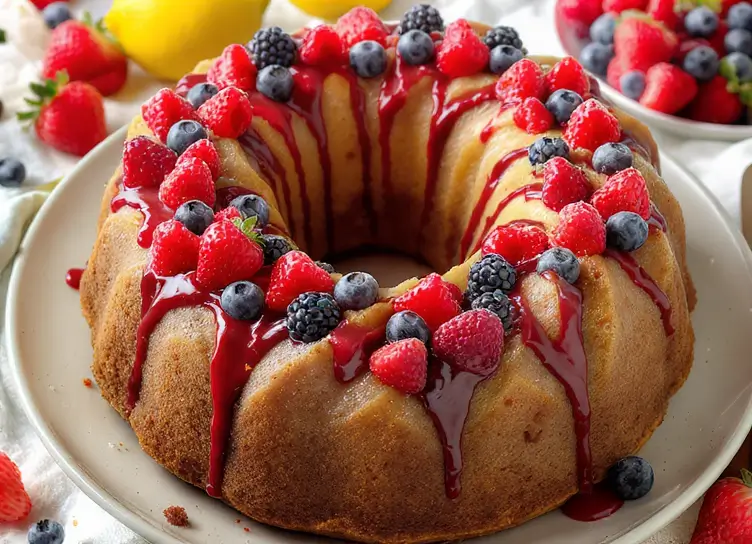
How to Make Meyer Lemon Pound Cake: Step-by-Step Instructions
Now that you have your ingredients and kitchen ready, it’s time to start making your Meyer lemon pound cake. This guide will walk you through the steps to make a moist, flavorful, and perfectly baked cake.
Step 1: Cream the Butter and Sugar Until Light and Fluffy
Start by creaming unsalted butter and granulated sugar until it’s light and fluffy. This step adds air to the batter, making the cake’s texture better. Use an electric mixer on medium speed for about 3-4 minutes to get the right consistency.
Step 2: Add Eggs One at a Time
Next, add eggs one at a time. Make sure each egg is fully mixed in before adding the next. This helps keep the batter smooth and prevents it from curdling. Don’t forget to scrape down the bowl sides as needed.
Step 3: Incorporate Meyer Lemon Zest and Vanilla Extract
After mixing in the eggs, add the Meyer lemon zest and vanilla extract. The zest adds a burst of citrus flavor, while the vanilla enhances the cake’s depth. Mix well to spread these ingredients evenly.
Step 4: Combine Dry Ingredients Separately
In another bowl, whisk together the flour, baking powder, and salt. This ensures the dry ingredients are evenly mixed, which is key for the cake’s structure and texture.
Step 5: Alternate Adding Dry Ingredients and Buttermilk
Then, add the dry ingredients and buttermilk to the batter in alternating steps. Start and end with the dry ingredients. This method keeps the batter stable and helps the cake stay tender.
Step 6: Add Meyer Lemon Juice and Final Mixing
Next, add the Meyer lemon juice and mix until just combined. Be careful not to overmix, as it can make the cake dense. The lemon juice adds a tangy flavor and balances the sweetness.
Step 7: Transfer Batter to Prepared Pan
Finally, pour the batter into your prepared pan and smooth the top with a spatula. Make sure the pan is well greased and floured to prevent the cake from sticking.
Here’s a quick summary of the steps:
- Cream butter and sugar until light and fluffy
- Add eggs one at a time
- Incorporate Meyer lemon zest and vanilla extract
- Combine dry ingredients separately
- Alternate adding dry ingredients and buttermilk
- Add Meyer lemon juice and final mixing
- Transfer batter to prepared pan
Baking Your Meyer Lemon Pound Cake to Perfection
To bake a Meyer lemon pound cake perfectly, you need to pay close attention. The baking stage is key. It’s where the batter turns into a delicious cake.
Setting the Correct Oven Temperature
It’s important to preheat your oven to the right temperature. For a Meyer lemon pound cake, use 325°F (165°C). Make sure your oven is set correctly to avoid mistakes. An oven thermometer can help check the temperature.
Optimal Rack Positioning
Put your cake in the oven’s center for even baking. Place the cake on the middle rack for even heat. This ensures a consistent texture and prevents over-browning.
Baking Time and Doneness Tests
The baking time depends on your oven and the cake’s size. Usually, a Meyer lemon pound cake bakes for 45-55 minutes. Here are ways to check if it’s done:
The Toothpick Test
Stick a toothpick into the cake’s center, about 1 inch from the top. If it’s clean or has a few moist crumbs, it’s ready. If not, bake a bit longer and test again.
Visual Cues for Doneness
The cake should look golden brown and spring back when touched. Watch the edges closely; they should be slightly away from the pan.
Proper Cooling Technique
After baking, take the cake out of the oven. Let it cool in the pan for 10-15 minutes. Then, move it to a wire rack to cool completely. This step is key to avoid a soggy or unpleasant texture.
By following these tips, you’ll bake a Meyer lemon pound cake that’s moist, flavorful, and looks great.

Creating and Applying the Meyer Lemon Glaze
The Meyer lemon glaze is the final touch for your Meyer lemon pound cake. It adds a sweet and tangy contrast to the rich cake. The glaze is easy to make with just a few ingredients, but it can make a big difference in flavor and look.
Making the Simple Meyer Lemon Glaze
To make the glaze, you need powdered sugar and Meyer lemon juice. Adjust the amount of juice to get the right consistency and flavor. Start with a little juice and add more to the powdered sugar until it’s just right.
- 1 cup powdered sugar
- 2-3 tablespoons Meyer lemon juice
Mix until it’s smooth and lump-free. The glaze should be thick enough to coat a spoon but still pour well.
Best Time to Apply the Glaze
Apply the glaze when the cake is completely cool. This ensures the glaze sets well and doesn’t melt. If you’re in a rush, you can glaze a slightly warm cake, but the glaze might not set as well.
Glazing Technique for Even Coverage
To get even coverage, place the cake on a wire rack over a parchment-lined baking sheet. This catches drips. Drizzle the glaze slowly over the cake, letting it flow down the sides. Use a spatula or spoon to guide the glaze and cover the whole cake evenly.
Optional Glaze Variations
While the Meyer lemon glaze is great on its own, you can try different variations. Some ideas include:
- Adding a pinch of salt to balance the sweetness
- Incorporating a teaspoon of vanilla extract for extra depth
- Using different citrus fruits like oranges or limes for a unique twist
Feel free to try these variations to find your favorite glaze.
Troubleshooting Common Meyer Lemon Pound Cake Problems
Troubleshooting is key in baking, especially with Meyer lemon pound cake. Issues can pop up, affecting the final product. Knowing how to fix these problems can lead to a successful bake.
Cake Is Too Dense or Dry
A dense or dry cake is a letdown. Overmixing is a common cause. To avoid this, mix wet and dry ingredients separately and gently fold them together. Incorrect oven temperature or overbaking can also cause this problem. Make sure your oven is right and check the cake often towards the end of baking.
Tips to prevent a dense cake:
- Use room temperature ingredients for even mixing.
- Avoid overmixing after adding dry ingredients.
- Don’t overbake; check the cake often near the end of baking time.
Cake Sank in the Middle
A sinking cake can be due to underbaking or sudden oven temperature changes. Bake until a toothpick inserted into the center comes out clean. Also, avoid opening the oven door too often to prevent temperature changes.
To fix a sunken cake: If the cake has sunk but is still baked through, fill the depression with Meyer lemon glaze or frosting to level it out.
Cake Stuck to the Pan
A cake sticking to the pan is frustrating. Proper preparation can prevent this. Make sure your pan is well greased and floured before adding the batter. Using parchment paper can also help.
- Let the cake cool in the pan for a few minutes before removing it.
- Run a knife around the edges to loosen the cake.
- Place a wire rack over the pan and invert the cake onto the rack.
Glaze Is Too Thick or Too Runny
The Meyer lemon glaze’s consistency can be adjusted. If it’s too thick, thin it with Meyer lemon juice. If it’s too runny, add more powdered sugar.
Tips for achieving the right glaze consistency: Start with a small amount of liquid and add more as needed. This way, you can control the thickness better.
Storage, Serving, and Enjoyment Tips
After baking your Meyer lemon pound cake, it’s key to store it right. This keeps it fresh. The right storage and serving tips make every bite as good as the first.
How to Store Your Meyer Lemon Pound Cake
Storing your Meyer lemon pound cake right is key. It keeps it moist and flavorful. The method depends on when you’ll eat it.
Room Temperature Storage
For up to 3 days, store it at room temperature. Wrap it in plastic wrap or foil to keep it moist. Keep it away from sunlight and heat.
Refrigeration Guidelines
For longer storage, refrigerate it. Wrap it as before and put it in the fridge. Let it come to room temperature before serving for the best taste and texture.
Freezing for Long-Term Storage
Freezing is great for longer storage. Wrap it tightly and put it in a freezer-safe bag. Thaw it in the fridge or at room temperature before serving.
Best Serving Suggestions
Serving your Meyer lemon pound cake is an art. Slice it thinly and serve with coffee or tea for a great breakfast or snack. You can also dust it with powdered sugar for a fancy look.
Delicious Topping Ideas and Pairings
Make your Meyer lemon pound cake even better with toppings and pairings. Try it with fresh berries or lemon curd for extra taste. A glaze made from powdered sugar and Meyer lemon juice adds sweetness and citrus.
Conclusion
Baking a Meyer lemon pound cake is a rewarding experience. It combines the joy of creating something delicious with the satisfaction of sharing it. By following the steps in this article, you can achieve baking success and enjoy a moist, flavorful cake.
The unique flavor of Meyer lemons adds a special touch to this classic dessert. With the right ingredients, proper preparation, and patience, you can create a beautiful and delicious Meyer lemon pound cake. It’s sure to impress.
As you slice into your freshly baked cake and serve it to family and friends, you’ll experience true joy. The tender crumb, tangy Meyer lemon flavor, and sweet glaze will make your Meyer lemon pound cake a new favorite.
FAQ
What is the primary flavor difference between a Meyer lemon and a standard Eureka lemon?
A Meyer lemon is a mix of a lemon and a Mandarin orange. This makes it sweeter and more floral than regular lemons. Its flavor is softer, without the sharp taste of common lemons.
Why is it essential to use room temperature ingredients like eggs and unsalted butter?
Using room temperature ingredients is key for a smooth emulsion. Cold ingredients won’t mix well, leading to a dense cake. Room temperature fats help create a light, fluffy texture.
Can I substitute King Arthur All-Purpose Flour with cake flour?
Yes, you can substitute King Arthur All-Purpose Flour with cake flour. Cake flour makes the cake softer. Just remember to use a 1:1 ratio by weight, or add two extra tablespoons of cake flour for every cup of all-purpose flour.
What is the best method to ensure the cake doesn’t stick to a Nordic Ware Bundt pan?
To avoid sticking, butter or shortening the pan and dust it with flour. Baker’s Joy is also a great option. It combines oil and flour for perfect release.
How do I perform the toothpick test correctly to check for doneness?
Insert a toothpick into the cake’s center. If it’s clean or has a few moist crumbs, it’s done. Wet batter means it needs more time. Look for edges pulling away from the pan too.
When is the optimal time to apply the Meyer lemon glaze?
Apply the glaze when the cake is slightly warm. This lets the glaze set and infuse the cake with flavor. Use Domino powdered sugar and Meyer lemon juice for the best results.
How should I store the leftover Meyer lemon pound cake to keep it moist?
Store the cake in an airtight container at room temperature for up to three days. For longer storage, wrap it in Reynolds Wrap aluminum foil and freeze. It freezes well for up to three months. Thaw at room temperature while wrapped to keep it moist.
Why did my cake sink in the middle after I took it out of the oven?
A cake sinks due to over-mixing or opening the oven door too early. It can also happen if the baking powder is expired. Always check the expiration date before baking.